
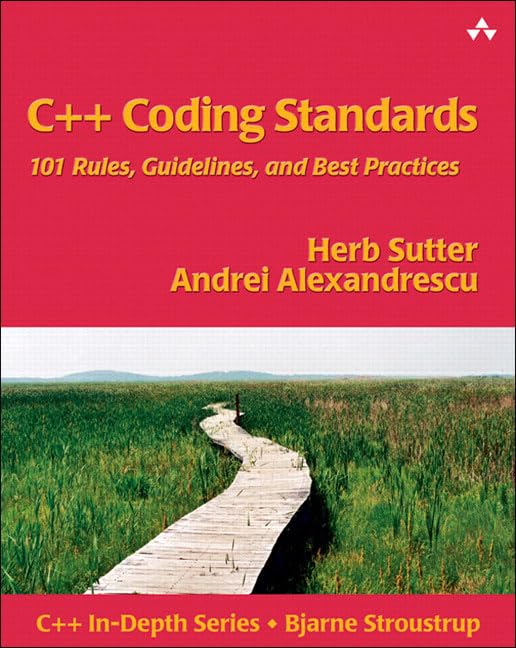
C++ Coding Standards: 101 Rules, Guidelines, And Best Practices by John Fuller – A Definitive Guide for Indian Programme
Inclusive of all applicable taxes. FREE shipping on all orders.
Available Offers
- 🚚Free Delivery — Free shipping on all orders
- 💵Cash on Delivery — Pay when your order arrives
- ↩️15-Day Easy Returns — Hassle-free return policy
- 🔒Cash on Delivery — Pay safely when your order arrives
Check Delivery
Product Description
Introduction
In the world of software development, writing code that works is just the beginning. The real challenge lies in writing code that is consistent, maintainable, and robust — especially in a powerful and complex language like C++. C++ Coding Standards: 101 Rules, Guidelines, And Best Practices by John Fuller is an essential reference for every C++ programmer who wants to elevate their craft. Published by Addison-Wesley Professional, this hardcover volume distills decades of collective experience into a clear, actionable set of standards that can be adopted by individuals and teams alike. Whether you are a student in India learning C++ for the first time or a seasoned professional working on enterprise-level projects, this book will help you write cleaner, safer, and more efficient code.
Book Overview
This book is not just another programming guide — it is a comprehensive compendium of 101 rules, guidelines, and best practices that cover virtually every aspect of C++ development. Each rule is presented in a concise, easy-to-understand format, accompanied by practical examples that illustrate both the right and wrong ways to implement them. From design and coding style to error handling and STL usage, the book addresses real-world problems that programmers face daily. The author, John Fuller, draws on the rich collective wisdom of the global C++ community, offering insights that have only recently been standardized. This makes the book relevant even for experienced developers who may be unaware of newer best practices. The hardcover binding ensures durability, making it a reliable desk reference for years to come.
Key Highlights
- 101 actionable rules — each rule is self-contained and immediately applicable to your code.
- Real-world examples — code snippets demonstrate correct and incorrect usage, helping you avoid common pitfalls.
- Broad coverage — topics include design, functions, operators, class design, inheritance, construction, destruction, copying, assignment, namespaces, modules, templates, genericity, exceptions, STL containers, and algorithms.
- Team-friendly — the rules are designed to be adopted as a shared standard, promoting consistency and reducing wasted time on stylistic debates.
- Expert authorship — John Fuller is recognized as one of the world's most respected C++ experts, bringing authority and depth to every guideline.
Inside the Book
Open the cover and you will find a well-organized structure that makes it easy to locate specific guidance. Each of the 101 rules is numbered and titled, followed by a clear explanation of why the rule matters and how to implement it. The book is divided into logical sections covering everything from high-level design principles to low-level coding details. For example, you will learn best practices for using const-correctness, managing resource allocation, designing exception-safe code, and leveraging the STL effectively. The examples are written in modern C++ (C++11 and beyond), ensuring that the advice remains relevant in today's development landscape. The language is straightforward and avoids unnecessary jargon, making it accessible to Indian students and professionals who may be non-native English speakers.
Key Topics
- Design and coding style — naming conventions, indentation, commenting, and file organization.
- Functions and operators — parameter passing, return types, operator overloading, and function overloading.
- Class design and inheritance — encapsulation, polymorphism, virtual functions, and multiple inheritance.
- Construction, destruction, copying, and assignment — the Rule of Three/Five, copy elision, and move semantics.
- Namespaces and modules — organizing code to avoid name clashes and improve modularity.
- Templates and genericity — template metaprogramming, type traits, and generic algorithms.
- Exception handling — writing exception-safe code, using noexcept, and managing resources.
- STL containers and algorithms — choosing the right container, using iterators, and algorithm complexity.
- Error handling and debugging — assertions, logging, and defensive programming techniques.
Reader Benefits
By following the guidelines in this book, you will experience a significant improvement in the quality of your C++ code. You will spend less time debugging and more time building features. Teams will benefit from a unified coding style that makes code reviews faster and more productive. Students will gain a solid foundation in professional coding practices that will set them apart in job interviews and internships. The book also helps eliminate time wasted on trivial stylistic disagreements, allowing you to focus on what truly matters — delivering high-quality software. Moreover, the hardcover format makes it a lasting addition to your library, unlike flimsy paperbacks that wear out quickly.
Learning Outcomes
- Understand and apply 101 proven rules for writing robust C++ code.
- Develop a consistent coding style that enhances readability and maintainability.
- Design classes and hierarchies that are safe, efficient, and easy to extend.
- Master exception handling and resource management to prevent memory leaks and crashes.
- Use the STL effectively to write concise and performant code.
- Adopt modern C++ features like move semantics, smart pointers, and lambda expressions.
- Collaborate more effectively with team members by following a shared standard.
Who Should Read
This book is ideal for a wide range of readers. Students pursuing computer science or related degrees in Indian universities will find it an invaluable companion to their coursework, helping them bridge the gap between academic learning and industry expectations. Professional developers working with C++ in fields such as finance, gaming, embedded systems, or telecommunications will benefit from the distilled wisdom of experts. Team leads and technical managers can use this book as a basis for establishing coding standards within their organizations. Even hobbyists and self-taught programmers who want to take their C++ skills to the next level will find the rules easy to follow and immediately applicable. No prior expertise is assumed beyond a basic understanding of C++ syntax.
About the Author
John Fuller is a renowned C++ expert with decades of experience in software development and education. He has contributed to the evolution of the C++ language and has been a key voice in establishing best practices that are now widely adopted across the industry. His writing is known for its clarity, practicality, and deep technical insight. In C++ Coding Standards, Fuller collaborates with the global C++ community to bring you a resource that reflects the collective knowledge of thousands of developers. His passion for teaching and his commitment to quality make this book a trustworthy guide for programmers at every level.
About the Publisher
Addison-Wesley Professional is a premier publisher of technical books, known for its high-quality content and commitment to excellence. With a legacy spanning decades, Addison-Wesley has published many of the most influential books in computing, including works by pioneers like Bjarne Stroustrup and Scott Meyers. This hardcover edition carries the hallmark of rigorous editorial standards, ensuring that you receive accurate, up-to-date, and well-structured information. When you choose a book from Addison-Wesley, you are investing in a resource that has been vetted by experts and trusted by professionals worldwide.
Conclusion
C++ Coding Standards: 101 Rules, Guidelines, And Best Practices is more than just a book — it is a toolkit for excellence in C++ programming. By internalizing these 101 rules, you will not only write better code but also become a more disciplined and effective developer. Whether you are preparing for a career in software engineering or looking to refine your existing skills, this hardcover volume deserves a prominent place on your bookshelf. Order your copy from Bookshops.in today and start coding with confidence.
Quick Summary
C++ Coding Standards: 101 Rules, Guidelines, And Best Practices by John Fuller is an essential reference for any C++ programmer aiming to write cleaner, more maintainable code. Published by Addison-Wesley Professional, this hardcover book distills the collective wisdom of the C++ community into 101 practical rules covering everything from design and coding style to templates, exceptions, and STL usage. Ideal for Indian students, software developers, and team leads, the book provides concrete examples that help reduce bugs, improve code quality, and foster team collaboration. Readers will learn how to avoid common pitfalls, apply best practices in real-world projects, and adopt consistent standards that save time and effort. Whether you are a beginner or an experienced developer, this guide offers valuable insights to elevate your C++ skills. By purchasing from Bookshops.in, India's premium online bookstore, you get a genuine hardcover edition with fast delivery and excellent customer support, making it a smart investment for your programming career.
Book Highlights
Book Specifications
| ISBN-13 | 9780321113580 |
| ISBN-10 | 0321113586 |
| Publisher | Addison-Wesley Professional |
| Language | English |
| Dimensions | 18.29 x 1.52 x 23.11 cm |
| Weight | 481 g |
| Country | India |
| Category | C & C++ › C++ |
| Genre | Non-fiction |
| Original Language | English |
Frequently Asked Questions
What is C++ Coding Standards about?
Who is the author of this book?
Is this book suitable for beginners?
What topics does the book cover?
How many rules are included?
Is this book available in hardcover?
Can I use this book for team training?
Where can I buy this book in India?
What is the ISBN of this book?
Is this book recommended for Indian students?
Does the book cover STL containers?
What is the price of this book?
How is this book different from other C++ guides?
Readers Also Search For
Customers Also Bought

Programming
Algorithmische Sprache Und Programmentwicklung | by H. Partsch | F. L. Bauer | P. Pepper | Springer | by H. Partsch | F. L. Bauer | P. Pepper | Springer | by H. Partsch | F. L. Bauer | P. Pepper | Springer | by H. Partsch | F. L. Bauer | P. Pepper | Springer | by H. Partsch | F. L. Bauer | P. Pepper | Springer | by H. Partsch | F. L. Bauer | P. Pepper | Springer | by H. Partsch | F. L. Bauer | P. Pepper | Springer | by H. Partsch | F. L. Bauer | P. Pepper | Springer | by H. Partsch | F. L. Bauer
Programming
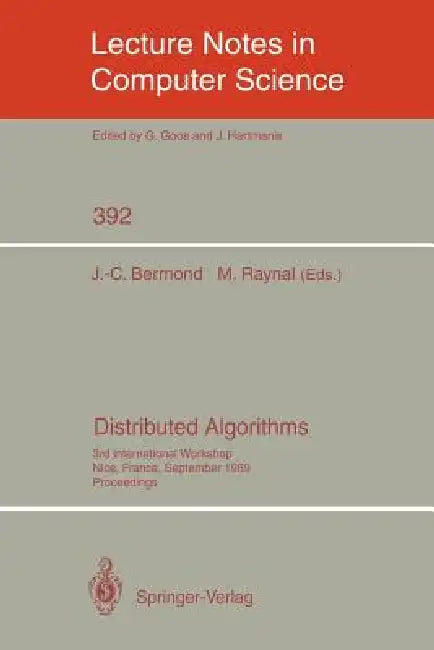
Distributed Algorithms | by Jean-Claude Bermond | Michel Raynal | Springer | by Jean-Claude Bermond | Michel Raynal | Springer | by Jean-Claude Bermond | Michel Raynal | Springer | by Jean-Claude Bermond | Michel Raynal | Springer | by Jean-Claude Bermond | Michel Raynal | Springer | by Jean-Claude Bermond | Michel Raynal | Springer | by Jean-Claude Bermond | Michel Raynal | Springer | by Jean-Claude Bermond | Michel Raynal | Springer | by Jean-Claude Bermond | Michel Raynal | Springer | by Jean

Programming
Meta-Level Control for Deductive Database Systems | by Helmut Schmidt | Springer | by Helmut Schmidt | Springer | by Helmut Schmidt | Springer | by Helmut Schmidt | Springer | by Helmut Schmidt | Springer | by Helmut Schmidt | Springer | by Helmut Schmidt | Springer | by Helmut Schmidt | Springer | by Helmut Schmidt | Springer | by Helmut Schmidt | Springer | by Helmut Schmidt | Springer | by Helmut Schmidt | Springer | by Helmut Schmidt | Springer | by Helmut Schmidt | Springer | by Helmut Schm
Programming
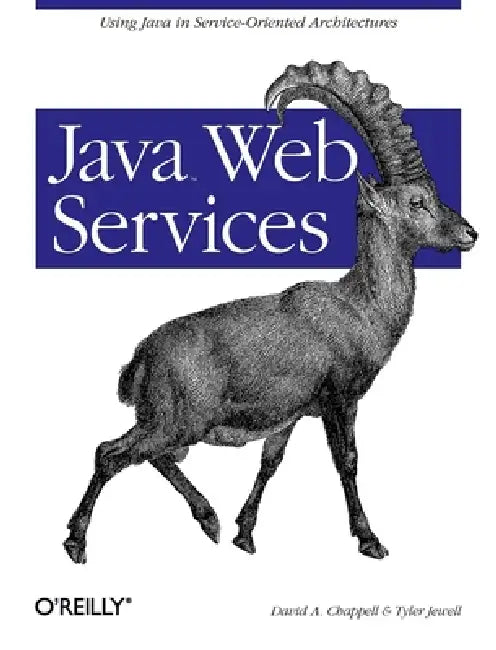
Java Web Services | by David A. Chappell | Tyler Jewell | O'Reilly Media | by David A. Chappell | Tyler Jewell | O'Reilly Media | by David A. Chappell | Tyler Jewell | O'Reilly Media | by David A. Chappell | Tyler Jewell | O'Reilly Media | by David A. Chappell | Tyler Jewell | O'Reilly Media | by David A. Chappell | Tyler Jewell | O'Reilly Media | by David A. Chappell | Tyler Jewell | O'Reilly Media | by David A. Chappell | Tyler Jewell | O'Reilly Media | by David A. Chappell | Tyler Jewell | O'
Programming
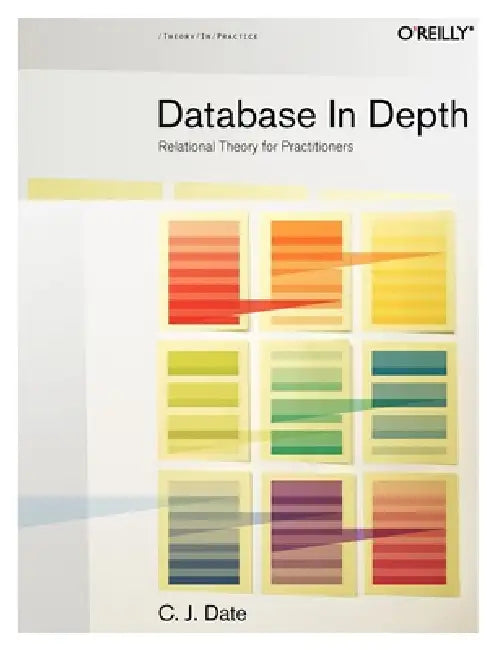
Database in Depth | by Chris J. Date | O'Reilly Media | by Chris J. Date | O'Reilly Media | by Chris J. Date | O'Reilly Media | by Chris J. Date | O'Reilly Media | by Chris J. Date | O'Reilly Media | by Chris J. Date | O'Reilly Media | by Chris J. Date | O'Reilly Media | by Chris J. Date | O'Reilly Media | by Chris J. Date | O'Reilly Media | by Chris J. Date | O'Reilly Media | by Chris J. Date | O'Reilly Media | by Chris J. Date | O'Reilly Media | by Chris J. Date | O'Reilly Media | by Chris J.

Programming
Integration of AI and OR Techniques in Constraint Programming for Combinatorial Optimization Problem | by Nicolas Beldiceanu | Narendra Jussien | Eric Pinson | Springer | by Nicolas Beldiceanu | Narendra Jussien | Eric Pinson | Springer | by Nicolas Beldiceanu | Narendra Jussien | Eric Pinson | Springer | by Nicolas Beldiceanu | Narendra Jussien | Eric Pinson | Springer | by Nicolas Beldiceanu | Narendra Jussien | Eric Pinson | Springer | by Nicolas Beldiceanu | Narendra Jussien | Eric Pinson |
Related Products
View All
Computers & Internet
Modern Full-Stack React Projects by Daniel Bugl
Computers & Internet
Mootools 1.2 Beginner's Guide (English, Jacob Gube)
Computers & Internet
Contemporary Methods for Speech Parameterization (Springerbriefs in Electrical and Computer Engineering / Springerbriefs in Speech Technology)

Computers & Internet
Information Technology and Lawyers | by Arno R. Lodder | Anja Oskamp | Springer | by Arno R. Lodder | Anja Oskamp | Springer | by Arno R. Lodder | Anja Oskamp | Springer | by Arno R. Lodder | Anja Oskamp | Springer | by Arno R. Lodder | Anja Oskamp | Springer | by Arno R. Lodder | Anja Oskamp | Springer | by Arno R. Lodder | Anja Oskamp | Springer | by Arno R. Lodder | Anja Oskamp | Springer | by Arno R. Lodder | Anja Oskamp | Springer | by Arno R. Lodder | Anja Oskamp | Springer | by Arno R. Lo

Computers & Internet
Digital Analysis of Remotely Sensed Imagery | by Jay Gao | McGraw-Hill Companies | by Jay Gao | McGraw-Hill Companies | by Jay Gao | McGraw-Hill Companies | by Jay Gao | McGraw-Hill Companies | by Jay Gao | McGraw-Hill Companies | by Jay Gao | McGraw-Hill Companies | by Jay Gao | McGraw-Hill Companies | by Jay Gao | McGraw-Hill Companies | by Jay Gao | McGraw-Hill Companies | by Jay Gao | McGraw-Hill Companies | by Jay Gao | McGraw-Hill Companies | by Jay Gao | McGraw-Hill Companies | by Jay Gao
Computers & Internet