
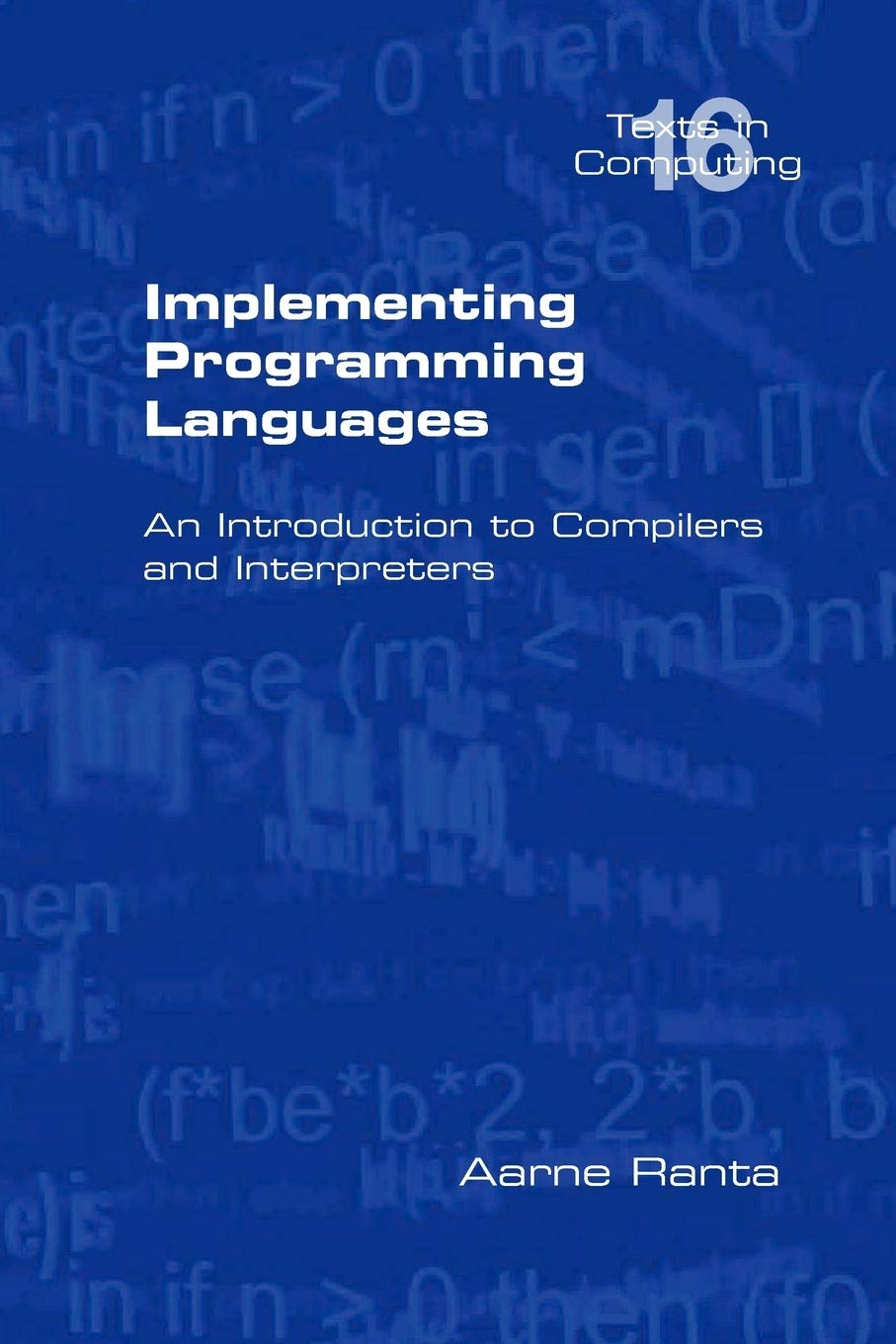
Implementing Programming Languages: An Introduction to Compilers and Interpreters by Aarne Ranta – A Practical Guide for
Inclusive of all applicable taxes. FREE shipping on all orders.
Available Offers
- 🚚Free Delivery — Free shipping on all orders
- 💵Cash on Delivery — Pay when your order arrives
- ↩️15-Day Easy Returns — Hassle-free return policy
- 🔒Cash on Delivery — Pay safely when your order arrives
Check Delivery
Product Description
Introduction
For every serious programmer, understanding how a high-level language transforms into machine-executable code is a transformative skill. Implementing Programming Languages: An Introduction to Compilers and Interpreters by Aarne Ranta offers a rigorous yet accessible pathway into this world. Published by College Publications, this hardcover edition is an indispensable resource for Indian students, educators, and professionals who wish to master the art of building language processors from scratch.
Book Overview
This book bridges the gap between abstract theory and hands-on implementation. Rather than merely describing how compilers work, it guides you to actually build them. Using a theory-based practical approach, each concept is modelled theoretically and then coded in a portable, language-agnostic manner. The result is a deep, intuitive understanding of the entire chain from programmer intent to machine zeros and ones. The book covers both compilers and interpreters, ensuring a comprehensive grasp of language implementation.
Key Highlights
- Practical, code-driven learning: Every theoretical model is immediately translated into working code.
- Portable implementations: The techniques are designed to be adaptable to any programming language, not tied to a single toolchain.
- Automatic code generation: Much of the actual compiler or interpreter code is generated from a formal grammar, reflecting modern best practices.
- Scalable methods: The approaches taught here work for small experimental languages as well as full-scale production systems.
- Focus on fundamentals: Lexing, parsing, type checking, code generation, and runtime systems are all covered in depth.
Inside the Book
The book is structured to take you from zero to a working compiler. It begins with the basics of formal languages and grammars, then moves through lexical analysis, syntax analysis (parsing), semantic analysis, intermediate representations, and finally code generation and interpretation. Each chapter includes exercises and real code examples that you can run and modify. The author uses a consistent, well-documented implementation language (Haskell-style functional programming) that makes the core ideas shine without unnecessary syntactic clutter.
Key Topics
- Formal language theory and context-free grammars
- Lexical analysis and regular expressions
- Top-down and bottom-up parsing techniques
- Abstract syntax trees and semantic actions
- Type systems and type checking algorithms
- Intermediate code generation and optimisation
- Virtual machines and interpreters
- Garbage collection and memory management
- Code generation for real machines
Reader Benefits
By working through this book, you will not only learn how to build a compiler but also develop a profound appreciation for how languages are designed. You will be able to create domain-specific languages tailored to your projects, debug complex code more effectively, and understand the trade-offs in language design. The skills you acquire are directly applicable to careers in systems programming, language engineering, and academic research.
Learning Outcomes
- Design and implement a complete compiler for a non-trivial programming language
- Write both interpreters and compilers from scratch using a principled methodology
- Automate parts of the implementation using grammar-driven code generation
- Analyse and optimise intermediate representations for performance
- Understand the theoretical underpinnings of parsing, type checking, and code generation
- Port your implementation to any general-purpose programming language
Who Should Read
This book is ideal for undergraduate and postgraduate students of computer science in Indian universities who are taking a course on compilers or programming languages. It is equally valuable for self-taught programmers who want to deepen their systems knowledge, and for working software engineers who need to build or extend languages in their projects. A basic familiarity with programming (preferably in a functional or multi-paradigm language) is assumed, but no prior compiler experience is necessary.
About the Author
Aarne Ranta is a renowned computer scientist and professor at the University of Gothenburg, Sweden. He is the creator of the Grammatical Framework (GF), a powerful tool for multilingual grammar engineering. With decades of experience in language implementation, formal semantics, and natural language processing, Ranta brings both academic rigour and practical wisdom to this book. His writing style is clear, methodical, and focused on enabling readers to build working systems.
About the Publisher
College Publications is a respected academic publisher based in the United Kingdom, known for producing high-quality textbooks in computer science, mathematics, and linguistics. Their titles are widely used in university curricula across the globe, including in India. This hardcover edition is built to last, making it a valuable addition to any serious programmer's library.
Conclusion
Implementing Programming Languages is more than a textbook—it is a hands-on blueprint for creating your own compilers and interpreters. Whether you are a student aiming to ace your compiler design course, a researcher exploring new language paradigms, or a developer wanting to build custom scripting languages, this book provides the foundational knowledge and practical skills you need. Order your copy today from Bookshops.in and start your journey from high-level thinking to machine-level execution.
Quick Summary
Implementing Programming Languages by Aarne Ranta is a definitive guide for anyone who wants to understand how compilers and interpreters work, and how to build them from scratch. The book adopts a theory-based practical approach, where formal models like grammars and type systems serve as blueprints for actual code. Readers will learn the entire pipeline of language implementation—from lexical analysis and parsing to semantic analysis, code generation, and runtime systems. The author, a respected academic, provides clear explanations and hands-on projects that enable readers to create their own programming languages. This book is ideal for computer science students in India, professional developers, and researchers who wish to deepen their knowledge of language design and implementation. By bridging the gap between high-level thinking and machine execution, it empowers programmers to solve problems more effectively and even invent new languages. Choosing Bookshops.in ensures you receive an authentic hardcover edition with fast delivery across India, supporting your journey to becoming a more competent and innovative programmer.
Book Highlights
Book Specifications
| ISBN-13 | 9781848900646 |
| ISBN-10 | 1848900643 |
| Publisher | College Publications |
| Language | English |
| Dimensions | 15.6 x 1.19 x 23.39 cm |
| Weight | 1 kg 50 g |
| Country | India |
| Category | Computer Science › Programming Languages |
| Genre | Non-fiction |
| Original Language | English |
Frequently Asked Questions
What is Implementing Programming Languages about?
Who is the author of this book?
Is this book suitable for beginners?
What programming languages are used in the examples?
Does the book cover both compilers and interpreters?
Can I build my own language after reading this book?
Is this book used in Indian universities?
Is this a hardcover edition?
Does the book include exercises?
What is the ISBN of this book?
How is this book different from other compiler textbooks?
What topics are covered in the book?
Is the book available in India?
What is the price of the book?
Readers Also Search For
Customers Also Bought
Computer Science
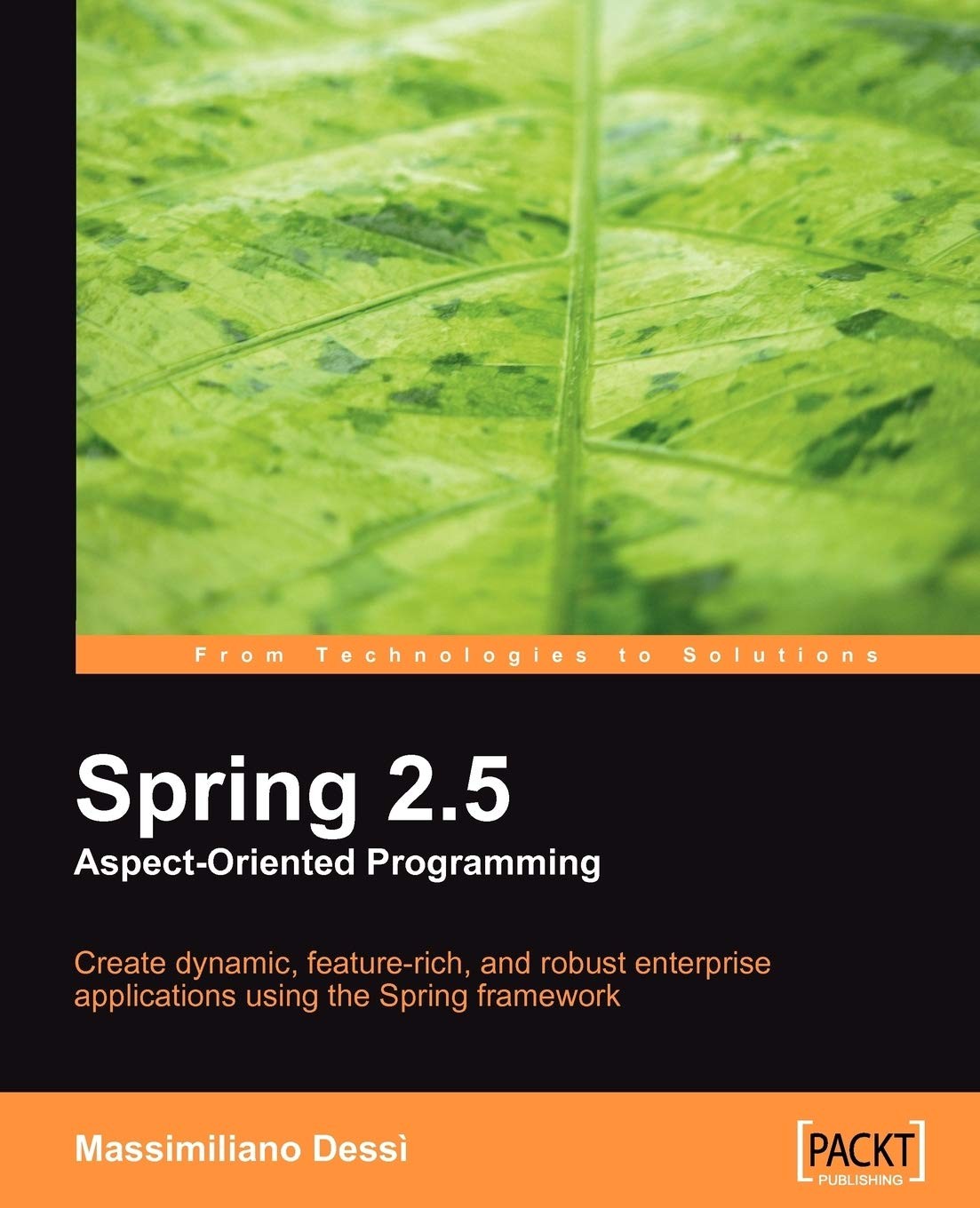
Spring 2.5 Aspect Oriented Programming (English, Massimiliano Dess� | Massimiliano Dessi)

Computer Science
Asterisk 1.4 - the Professional's Guide (English, Colman Carpenter | David Duffett | Nik Middleton)

Computer Science
Advances In Natural Language Processing: 4th International Conference, Estal 2004, Alicante, Spain, October 20-22, 2004. Proceedings: 3230 (Lecture Notes in Computer Science)
Computer Science
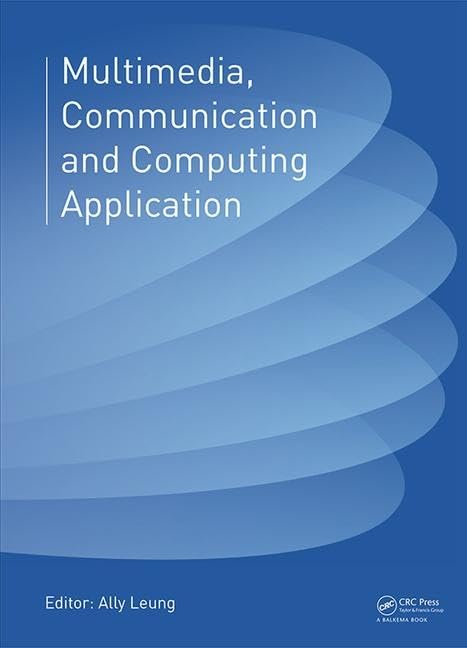
Multimedia, Communication and Computing Application: Proceedings of the 2014 International Conference on Multimedia, Communication and Computing ... 2014), Xiamen, China, October 16-17, 2014

Computer Science
Cases on Database Technologies and Applications (Cases on Information Technology Series)
Computer Science
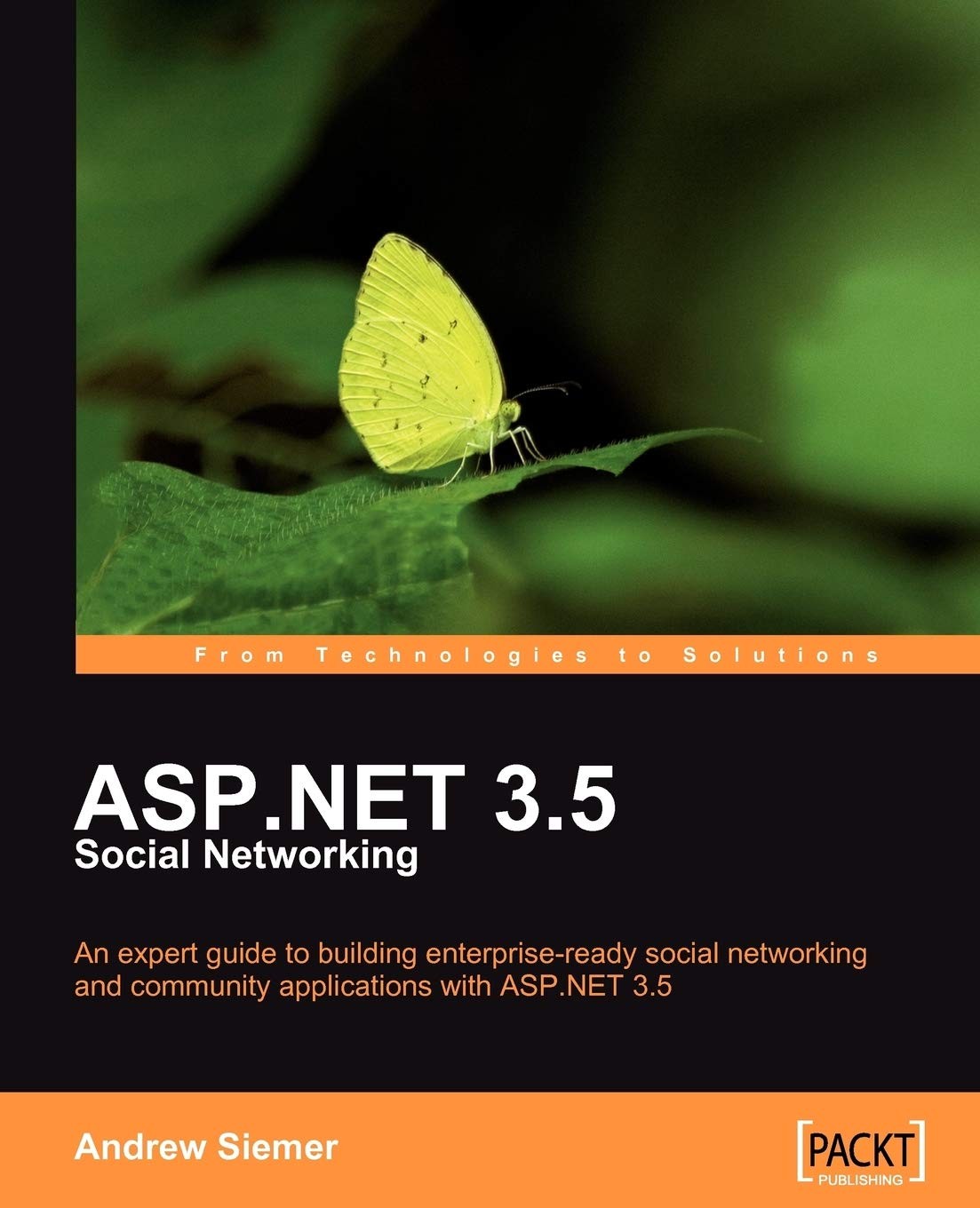
ASP.Net 3.5 Social Networking (English, Andrew Siemer)
Related Products
View AllComputer Science
Spring 2.5 Aspect Oriented Programming (English, Massimiliano Dess� | Massimiliano Dessi)
Computer Science
Asterisk 1.4 - the Professional's Guide (English, Colman Carpenter | David Duffett | Nik Middleton)
Computer Science
Advances In Natural Language Processing: 4th International Conference, Estal 2004, Alicante, Spain, October 20-22, 2004. Proceedings: 3230 (Lecture Notes in Computer Science)
Computer Science
Multimedia, Communication and Computing Application: Proceedings of the 2014 International Conference on Multimedia, Communication and Computing ... 2014), Xiamen, China, October 16-17, 2014
Computer Science
Cases on Database Technologies and Applications (Cases on Information Technology Series)
Computer Science