
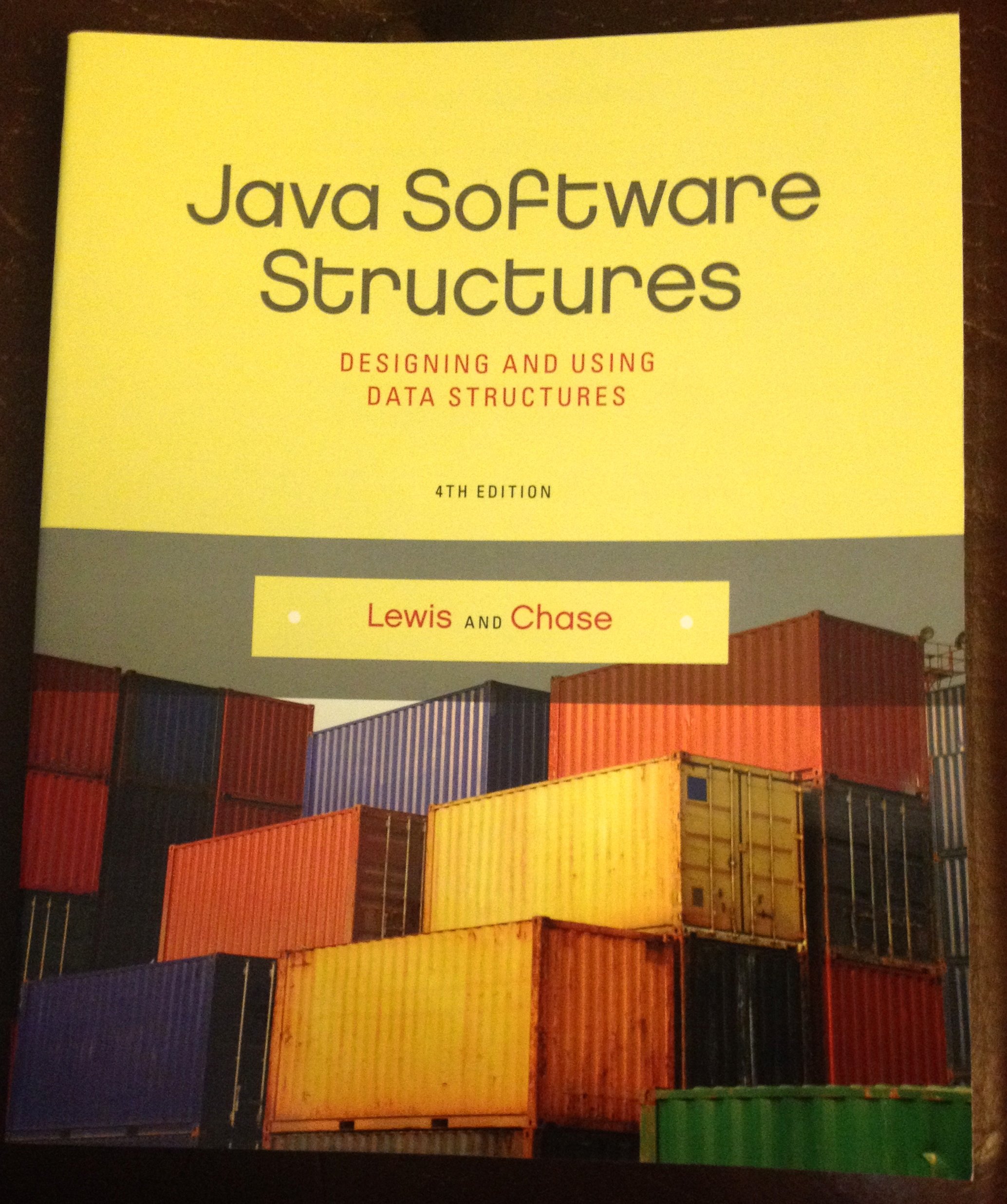
Java Software Structures: Designing and Using Data Structures by John Lewis – A Complete Textbook for Indian Computer Sc
Inclusive of all applicable taxes. FREE shipping on all orders.
Available Offers
- 🚚Free Delivery — Free shipping on all orders
- 💵Cash on Delivery — Pay when your order arrives
- ↩️15-Day Easy Returns — Hassle-free return policy
- 🔒Cash on Delivery — Pay safely when your order arrives
Check Delivery
Product Description
Introduction
In the world of computer science education, few resources stand as tall as Java Software Structures: Designing and Using Data Structures by John Lewis. Published by Pearson, this hardcover edition is a trusted companion for Indian students and professionals who wish to master the art of building robust, efficient software systems using Java. Whether you are preparing for campus placements, pursuing a degree in engineering or computer applications, or simply upgrading your programming skills, this book offers a clear, structured path to understanding data structures and algorithms through the lens of object-oriented design. Written in English and aligned with the latest Java enhancements, it is an essential addition to any programmer’s library.
Book Overview
Java Software Structures (Fourth Edition) takes a three-pronged approach to teaching data structures: conceptualization, explanation, and implementation. The book begins by laying a strong theoretical foundation, then moves into detailed explanations of how each structure works, and finally guides you through hands-on implementation in Java. All collections and structures are built using generics, ensuring type safety and reusability. The text emphasizes high-quality software design, teaching you not just how to use data structures, but how to design and adapt them for real-world problems. This holistic method makes complex topics accessible and practical for Indian learners who need to bridge theory with application.
Key Highlights
- Generics-based approach: All data structures and collections are implemented using Java generics, making code more robust and reusable.
- Consistent framework: Each chapter follows a uniform structure—concept, explanation, and implementation—to reinforce learning.
- Updated for modern Java: Reflects the latest Java features and best practices, keeping you current with industry standards.
- Focus on software quality: Teaches design principles such as encapsulation, inheritance, and polymorphism to build maintainable systems.
- Rich problem sets: Includes numerous exercises, programming projects, and self-check questions to test understanding.
Inside the Book
This hardcover volume is meticulously organized to guide you from foundational concepts to advanced topics. Early chapters introduce the Java programming language essentials and object-oriented design principles. Subsequent chapters dive into classic data structures like arrays, linked lists, stacks, queues, trees, graphs, and hash tables. Each structure is presented with clear diagrams, code snippets, and real-world analogies. The book also covers algorithm analysis, sorting, searching, and recursion. Special attention is given to the Java Collections Framework, showing how to leverage built-in classes while understanding their underlying implementations. The appendixes provide quick references for Java syntax and common algorithms.
Key Topics
- Object-oriented design and Java fundamentals
- Arrays, linked lists, and dynamic structures
- Stacks, queues, and deques
- Trees, binary search trees, and heaps
- Graphs and graph algorithms
- Hashing and hash tables
- Sorting algorithms (bubble, selection, insertion, merge, quick, radix)
- Searching algorithms (linear, binary, interpolation)
- Algorithm analysis and Big-O notation
- Recursion and recursive data structures
- Java Collections Framework (ArrayList, LinkedList, HashSet, TreeSet, HashMap, TreeMap)
Reader Benefits
Indian students and professionals will find this book particularly valuable because it bridges the gap between academic theory and practical coding. Each concept is explained in a step-by-step manner, with plenty of examples that mirror common exam questions and interview problems. The book helps you write clean, efficient code that is easy to debug and maintain. By understanding how data structures work under the hood, you gain the confidence to choose the right structure for any problem—a skill highly sought after in top tech companies. The exercises encourage independent thinking and problem-solving, preparing you for competitive programming and software development roles.
Learning Outcomes
- Design and implement fundamental data structures from scratch using Java generics.
- Analyze the time and space complexity of algorithms using Big-O notation.
- Apply object-oriented principles to create reusable, modular software components.
- Select appropriate data structures for solving real-world problems efficiently.
- Understand and utilize the Java Collections Framework effectively.
- Develop debugging and testing skills through hands-on coding projects.
- Prepare for technical interviews and academic assessments with confidence.
Who Should Read
This book is ideal for undergraduate and postgraduate students in computer science, information technology, and related engineering disciplines across Indian universities. It is also highly recommended for self-taught programmers who want to solidify their understanding of data structures and object-oriented design. Professionals preparing for placement exams, GATE, or coding interviews will find the structured approach and practice problems immensely helpful. Educators teaching data structures courses can use this as a primary textbook or a supplementary reference. No prior knowledge of data structures is required, but basic familiarity with Java programming is assumed.
About the Author
John Lewis is a renowned author and educator in the field of computer science. With decades of teaching experience at prestigious institutions, he has written several best-selling textbooks on Java programming, software engineering, and data structures. His writing style is known for its clarity, precision, and student-friendly tone. Lewis believes in teaching concepts through practical examples and encourages readers to think like software engineers. His contributions have shaped the way data structures are taught globally, making complex ideas accessible to learners at all levels.
About the Publisher
Pearson is one of the world’s leading educational publishers, with a strong presence in India. Known for high-quality academic and professional books, Pearson collaborates with top authors to deliver content that meets the needs of students and professionals. Their titles are widely used in Indian universities, engineering colleges, and training institutes. Pearson’s commitment to accuracy, relevance, and pedagogical excellence ensures that every book—including this one—provides maximum learning value. This hardcover edition reflects Pearson’s dedication to durable, long-lasting educational resources.
Conclusion
Java Software Structures: Designing and Using Data Structures is more than just a textbook—it is a complete learning system for mastering data structures in Java. With its logical progression, focus on software design, and alignment with modern Java, this book empowers Indian readers to build high-quality software systems. Whether you are a student aiming for top grades or a professional seeking to deepen your technical expertise, this hardcover edition from Pearson is a wise investment. Add it to your collection today and take a decisive step toward becoming a proficient, thoughtful programmer.
Quick Summary
Java Software Structures: Designing and Using Data Structures by John Lewis is a definitive textbook for anyone serious about mastering data structures in Java. Published by Pearson, this fourth edition fully embraces Java's generics and the Collections Framework, guiding readers through a three-part journey: conceptualisation, explanation, and implementation. The book is designed to help Indian computer science students—whether in B.Tech, MCA, or self-study—develop high-quality software systems by understanding not just how to use data structures, but how to design them. Readers will learn to analyse algorithms, choose appropriate collections, and write reusable, type-safe code. The hardcover edition from Bookshops.in is a durable investment for your academic and professional growth. By purchasing from Bookshops.in, you support an Indian bookstore dedicated to delivering genuine, high-quality books with fast delivery across the country.
Book Highlights
Book Specifications
| ISBN-13 | 9780133250121 |
| ISBN-10 | 0133250121 |
| Publisher | Pearson Education India |
| Language | English |
| Dimensions | 18.54 x 3.05 x 22.86 cm |
| Weight | 885 g |
| Country | India |
| Category | Reference |
| Genre | Non-fiction |
| Reading Age | 18+ |
| Original Language | English |
Frequently Asked Questions
Is this book suitable for beginners in Java?
Does this book cover the Java Collections Framework?
Is this book aligned with Indian university syllabi?
Are there coding exercises and projects included?
What edition is this?
Does the book cover algorithm complexity?
Can I use this book for competitive programming preparation?
Is this book available in hardcover?
Does the author provide online support or resources?
How is this book different from other Java data structures books?
Does it cover trees and graphs in detail?
Is this book useful for interview preparation?
Can I get a digital version from Bookshops.in?
What is the price in INR?
Readers Also Search For
Customers Also Bought


Related Products
View All
Reference
Discourses of the Developing World: Researching Properties, Problems, and Potentials of the Developing World (Cultural Discourse Studies Series)
![Buy Language in the Context of Use: Discourse and Cognitive Approaches to Language: 37 (Cognitive Linguistics Research [CLR], 37) — BookShops.in](/book-covers/language-in-the-context-of-use-english-andrea-tyler-or-yiyoung-kim-or-mari-takad-img-0.jpg)
Reference
Language in the Context of Use: Discourse and Cognitive Approaches to Language: 37 (Cognitive Linguistics Research [CLR], 37)

Reference
Elements Of Fractional Distillation

Reference
Oxford Handbook of the Septuagint by Law Salvesen – Biblical Studies

Reference
Retellings: The Bible in Literature, Music, Art and Film

Reference