

Minds and Gods: The Cognitive Foundations of Religion by Todd Tremlin – A Deep Dive into the Cognitive Science of Religi
Inclusive of all applicable taxes. FREE shipping on all orders.
Available Offers
- 🚚Free Delivery — Free shipping on all orders
- 💵Cash on Delivery — Pay when your order arrives
- ↩️15-Day Easy Returns — Hassle-free return policy
- 🔒Cash on Delivery — Pay safely when your order arrives
Check Delivery
Product Description
Introduction
Why do humans, across cultures and centuries, so readily believe in gods, spirits, and supernatural forces? In Minds and Gods: The Cognitive Foundations of Religion, Todd Tremlin offers a groundbreaking answer rooted not in theology or sociology, but in the very architecture of the human brain. This compelling volume is the first general introduction to the cognitive science of religion—a revolutionary field that explores how our evolved mental faculties naturally give rise to religious thoughts and behaviors. For Indian readers, students, and scholars of psychology, philosophy, and religious studies, this book provides a fresh, evidence-based lens through which to understand the universal human tendency toward faith.
Book Overview
Minds and Gods argues that to comprehend what we think, we must first understand how we think. Tremlin takes readers on a fascinating journey through evolutionary history, showing how the modern mind was shaped by adaptive pressures. He explains that religious ideas are not arbitrary cultural inventions but are instead the predictable products of cognitive mechanisms inherited from our ancestral past. By examining everyday human behavior—from pattern recognition to agency detection—the book reveals why supernatural concepts feel so intuitively real. This is not a critique of religion but a scientific exploration of its cognitive roots, making it essential reading for anyone curious about the intersection of mind, culture, and belief.
Key Highlights
- First general introduction to the cognitive science of religion, making complex ideas accessible to beginners.
- Interdisciplinary approach blending evolutionary psychology, neuroscience, anthropology, and philosophy.
- Real-world examples from everyday life that illustrate how cognitive biases lead to religious thinking.
- Clear explanations of brain mechanisms like agency detection, theory of mind, and counterintuitive concepts.
- Authoritative yet engaging writing style suited for both students and general readers.
Inside the Book
The book is structured to guide readers from foundational concepts to advanced insights. Early chapters introduce the evolutionary forces that built the human mind, detailing how our ancestors' survival depended on quick pattern recognition and social cooperation. Tremlin then explores specific cognitive adaptations—such as our tendency to see faces in clouds or infer intentions behind events—and demonstrates how these same mechanisms make religious ideas compelling. Later chapters delve into the transmission of religious beliefs across generations, showing why some supernatural concepts spread while others fade. The final sections discuss the implications of cognitive science for understanding contemporary religiosity, including the persistence of faith in a scientific age.
Key Topics
- Evolutionary psychology of the human brain and its adaptive features.
- Cognitive mechanisms like hypersensitive agency detection and theory of mind.
- Origins of religious ideas in natural mental processes.
- Transmission and persistence of supernatural beliefs in cultures.
- Counterintuitive concepts and why they are memorable.
- Comparative religion from a cognitive perspective.
Reader Benefits
By reading Minds and Gods, you will gain a deeper understanding of your own mind and its innate tendencies. The book equips you with a scientific framework to analyze religious phenomena without dismissing their significance. Indian students of psychology, philosophy, and religious studies will find this text invaluable for bridging Western cognitive science with Eastern traditions of inquiry. Educators can use it as a core resource for courses on religion, cognition, or human evolution. For general readers, it offers a thought-provoking perspective on why belief comes so naturally to us—and why it continues to shape our world.
Learning Outcomes
- Understand the core principles of cognitive science of religion.
- Identify key evolutionary adaptations that influence religious thinking.
- Explain why supernatural concepts are intuitively appealing to the human mind.
- Analyze religious beliefs as products of natural cognitive processes.
- Apply cognitive theories to real-world examples of religious behavior.
- Critically evaluate debates about the origins and persistence of religion.
Who Should Read
This book is ideal for undergraduate and postgraduate students in psychology, anthropology, religious studies, and philosophy. It is also highly recommended for scholars of cognitive science, educators teaching courses on religion or human behavior, and curious readers who want a scientific explanation for the ubiquity of faith. Indian readers with an interest in comparative religion, Indian philosophy, or the psychology of spirituality will find the cognitive approach both refreshing and enlightening.
About the Author
Todd Tremlin is a leading scholar in the cognitive science of religion. He holds a PhD from the University of Oxford, where his research focused on the evolutionary and cognitive underpinnings of religious belief. Tremlin has taught at Oxford and other institutions, and his work bridges neuroscience, psychology, and anthropology. He is known for making complex scientific ideas accessible to a broad audience, and Minds and Gods is widely regarded as a foundational text in its field.
About the Publisher
Oxford University Press (OUP) is one of the oldest and most prestigious academic publishers in the world. With a history dating back to 1586, OUP is renowned for its rigorous editorial standards and commitment to scholarship. Their publications span every field of human knowledge, and this volume exemplifies their dedication to producing high-quality, accessible works that advance understanding. For Indian readers, OUP books are synonymous with intellectual depth and reliability.
Conclusion
Minds and Gods: The Cognitive Foundations of Religion is not just a book—it is a paradigm shift in how we think about thinking. By revealing the mental machinery behind religious belief, Todd Tremlin invites us to see faith as a natural, predictable outcome of human evolution. Whether you are a student, a scholar, or simply a seeker of knowledge, this book will change the way you understand both your own mind and the world's great religious traditions. Order your copy today from Bookshops.in and embark on a journey into the cognitive roots of the sacred.
Quick Summary
Minds and Gods: The Cognitive Foundations of Religion by Todd Tremlin is a pioneering work that introduces readers to the cognitive science of religion. The book argues that religious ideas are not arbitrary but arise naturally from the evolved structures of the human brain. Tremlin explains how evolutionary pressures shaped cognitive mechanisms—such as agency detection and counterintuitive concept processing—that make belief in gods and supernatural agents intuitive and widespread. Drawing on research from psychology, anthropology, and neuroscience, the book provides a compelling framework for understanding why religion is a human universal. It is ideal for Indian students and scholars in psychology, anthropology, philosophy, and religious studies who seek a scientific perspective on belief. Readers will gain deep insights into the mental foundations of religion and learn how ordinary thinking gives rise to extraordinary beliefs. By purchasing from Bookshops.in, you support a trusted Indian bookstore that offers genuine academic titles with reliable delivery across India.
Book Highlights
Book Specifications
| ISBN-13 | 9780195305340 |
| ISBN-10 | 0195305345 |
| Publisher | OUP USA |
| Language | English |
| Dimensions | 16.61 x 1.98 x 24.28 cm |
| Weight | 499 g |
| Category | Psychology › Cognitive Psychology |
| Genre | Non-fiction |
| Original Language | English |
Frequently Asked Questions
What is Minds and Gods about?
Who is the author of Minds and Gods?
Is this book suitable for beginners?
What makes this book unique?
Does the book cover Indian religions?
What is the ISBN-13?
Is this book part of a series?
Can I use this for my university coursework?
What is the price in India?
What is the reading level?
Does the book include diagrams or illustrations?
Is there a focus on atheism or belief?
Where can I buy this book in India?
Readers Also Search For
Customers Also Bought

Psychology
Koinonia: From Hate, Through Dialogue, to Culture in the Large Group by Patrick B. Demare

Psychology
Mindfulness-Based Interventions for Trauma and Its Consequences (Concise Guides on Trauma Care, 4)
Psychology
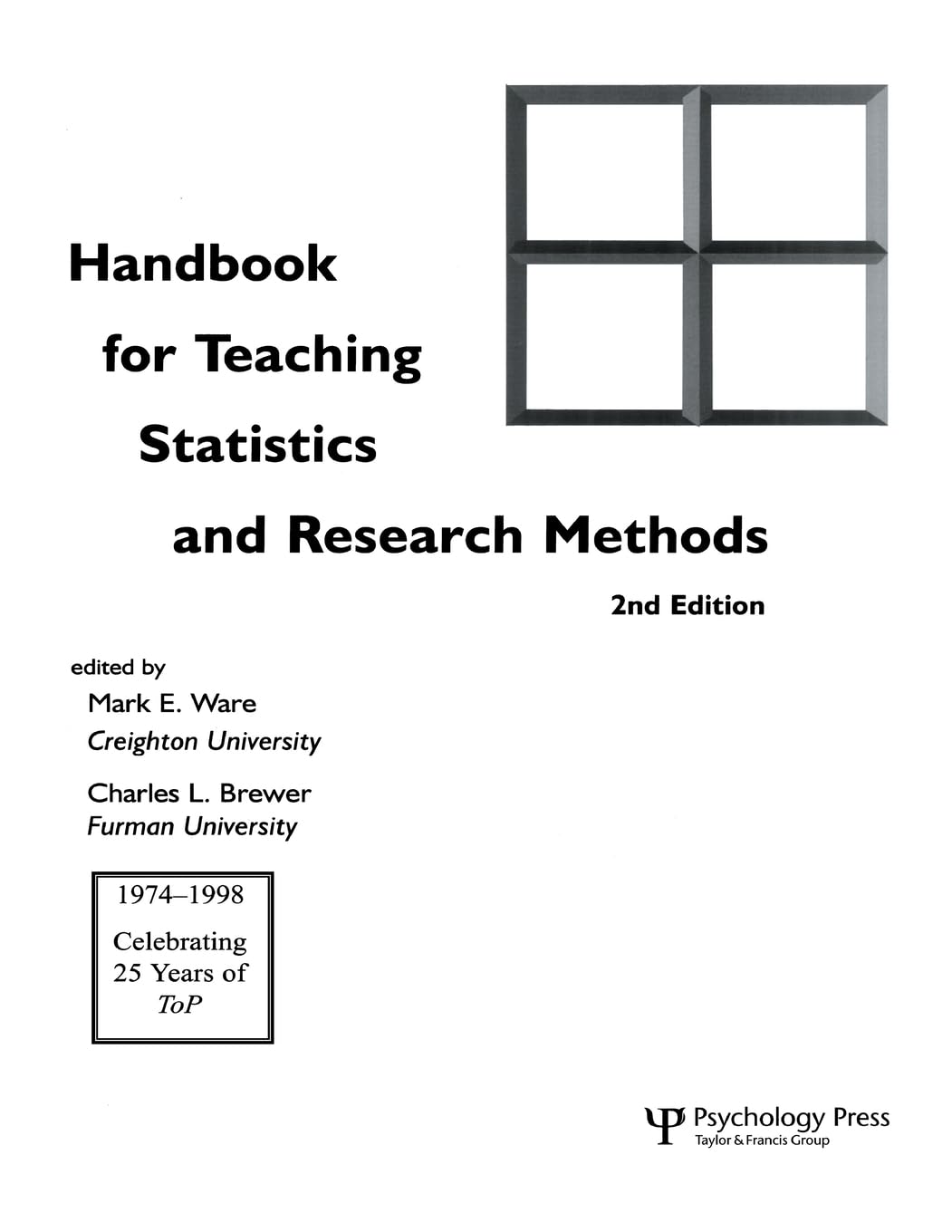
Handbook for Teaching Statistics and Research Methods by Mark E. Ware

Psychology
Psychoanalysis and the Nuclear Threat: Clinical and Theoretical Studies

Psychology
Humor and Psyche: Psychoanalytic Perspectives by James W. Barron

Relationships
The Experience and Expression of Uncertainty in Close Relationships by Jennifer A. Theiss
Related Products
View AllPsychology
Mindfulness-Based Interventions for Trauma and Its Consequences (Concise Guides on Trauma Care, 4)
Psychology
Handbook for Teaching Statistics and Research Methods by Mark E. Ware
Psychology
Psychoanalysis and the Nuclear Threat: Clinical and Theoretical Studies
Psychology
Humor and Psyche: Psychoanalytic Perspectives by James W. Barron
Psychology
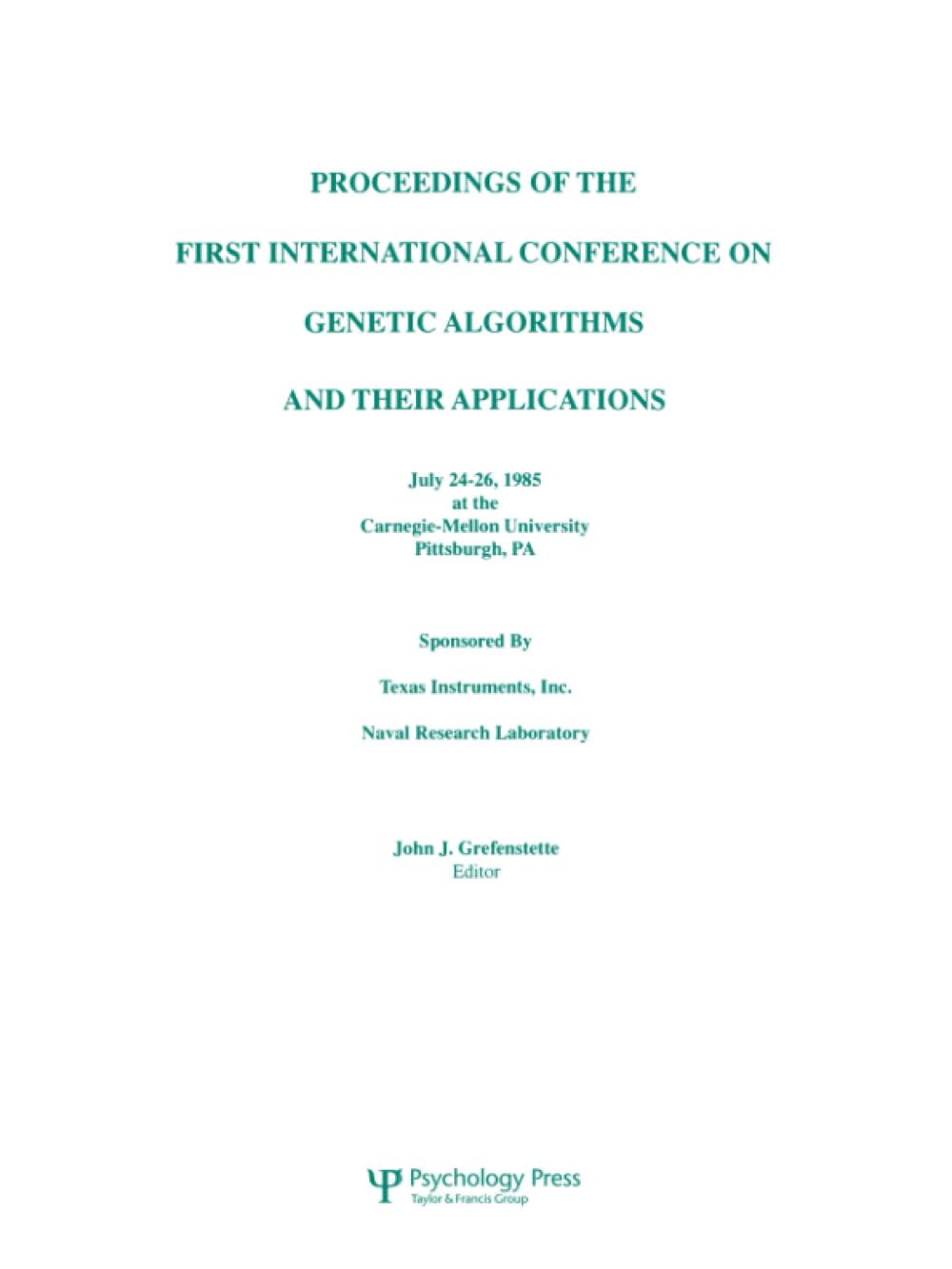
Proceedings of the First International Conference on Genetic Algorithms and Their Applications
Psychology