
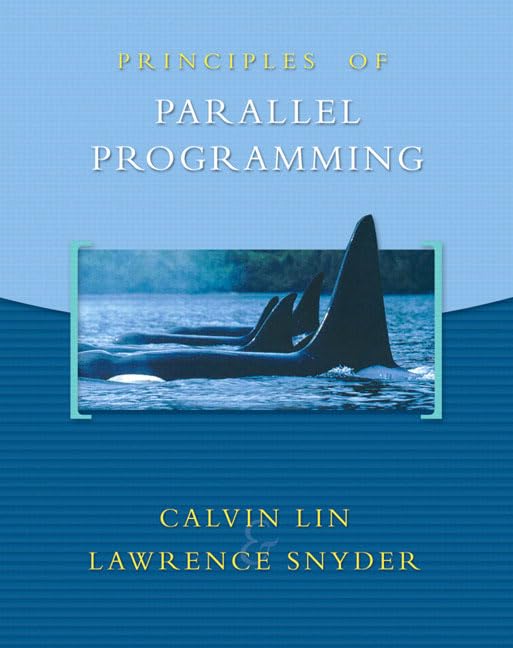
Principles of Parallel Programming by Calvin Lin – A Comprehensive Guide to Multi-Core Architecture and Parallel Computa
Inclusive of all applicable taxes. FREE shipping on all orders.
Available Offers
- 🚚Free Delivery — Free shipping on all orders
- 💵Cash on Delivery — Pay when your order arrives
- ↩️15-Day Easy Returns — Hassle-free return policy
- 🔒Cash on Delivery — Pay safely when your order arrives
Check Delivery
Product Description
Introduction
In an era where multi-core processors dominate computing, understanding parallel programming is no longer optional—it is essential. Principles of Parallel Programming by Calvin Lin offers a comprehensive and enduring foundation for students, researchers, and professionals eager to master this critical domain. Published by Pearson, this hardcover edition is a must-have for Indian engineering students and software developers looking to build scalable, high-performance applications.
Book Overview
This first edition focuses on the core principles that govern parallel computation rather than transient hardware or software trends. Calvin Lin, a renowned computer scientist, presents a clear and systematic exploration of why parallel systems behave the way they do—highlighting both opportunities and barriers. The book bridges theory and practice, preparing readers to design efficient parallel algorithms and reason about performance in real-world multicore environments.
Key Highlights
- Principles-First Approach: Emphasizes timeless concepts that remain relevant across evolving architectures.
- Clear Explanations of Phenomena: Demystifies parallelism, concurrency, synchronization, and scalability.
- Practical Examples: Illustrates key ideas with accessible code snippets and diagrams.
- Rigorous Yet Readable: Balances mathematical rigor with intuitive explanations suitable for advanced undergraduates.
Inside the Book
Readers will journey through the foundational ideas of parallel computation, starting with why parallelism matters and how to think about performance. The book covers parallel algorithms, communication patterns, load balancing, and memory hierarchies. Each chapter builds on the previous, culminating in a deep understanding of how to write correct and efficient parallel programs.
Key Topics
- Parallel computation models and abstractions
- Performance metrics and analysis
- Synchronization and coordination mechanisms
- Shared memory vs. distributed memory paradigms
- Parallel algorithm design patterns
- Scalability and efficiency trade-offs
Reader Benefits
By studying this book, Indian students and professionals gain a solid conceptual toolkit that transcends specific programming languages or hardware. They learn to identify parallel opportunities in everyday problems, avoid common pitfalls like race conditions, and optimize code for multicore processors. The principles taught here are directly applicable to academic projects, research, and industry roles in software engineering, data science, and systems design.
Learning Outcomes
- Understand the fundamental principles behind parallel computing
- Analyze and compare different parallel architectures
- Design parallel algorithms with confidence
- Evaluate performance bottlenecks and scalability
- Write correct, efficient parallel code for multicore systems
Who Should Read
This book is ideal for advanced undergraduate and graduate students in computer science and engineering programs across India. It also suits self-taught programmers, software engineers transitioning to parallel systems, and researchers seeking a principled foundation. Anyone preparing for competitive exams, GATE, or industry interviews in high-performance computing will find this resource invaluable.
About the Author
Calvin Lin is a distinguished professor and researcher in computer science, known for his contributions to parallel computing, compilers, and computer architecture. With decades of teaching and research experience at top universities, Lin brings clarity and depth to complex topics. His work has influenced both academic curricula and industry practices, making him a trusted voice in the field.
About the Publisher
Pearson is a global leader in educational publishing, committed to providing high-quality academic resources. Pearson's computer science titles are widely adopted in Indian universities and engineering colleges, ensuring rigorous content that meets curriculum standards.
Conclusion
Principles of Parallel Programming is more than a textbook—it is a durable guide to thinking in parallel. Whether you are a student at an IIT, NIT, or any other institution, or a professional aiming to future-proof your skills, this hardcover edition belongs on your shelf. Order your copy from Bookshops.in today and step confidently into the world of parallel computing.
Quick Summary
Principles of Parallel Programming by Calvin Lin is a seminal textbook that introduces the fundamental principles of parallel computation. It is designed for advanced undergraduate and graduate students in computer science, as well as software engineers and researchers working with multi-core architectures. The book covers parallel algorithms, synchronization, communication models, and performance analysis, emphasizing concepts that remain relevant beyond current hardware and software trends. Readers will gain a deep understanding of why parallel programming is both challenging and rewarding, and how to design efficient parallel solutions. This book is ideal for those who want to build a lasting conceptual foundation rather than just learn transient technologies. By purchasing from Bookshops.in, Indian readers get a genuine hardcover copy with reliable delivery and support.
Book Highlights
Book Specifications
| ISBN-13 | 9780321487902 |
| ISBN-10 | 0321487907 |
| Publisher | Pearson College Div |
| Language | English |
| Dimensions | 18.8 x 2.29 x 23.37 cm |
| Weight | 726 g |
| Category | Computers & Internet › Computer Science |
| Genre | Non-fiction |
| Original Language | English |
Frequently Asked Questions
What is Principles of Parallel Programming about?
Who is the author of this book?
Is this book suitable for beginners?
What topics are covered in the book?
Does the book include practical examples?
Is this book still relevant today?
What is the ISBN of this book?
Can I use this book for self-study?
What is the price of the book?
Is the book available in hardcover?
Does the book cover distributed systems?
Why should I buy from Bookshops.in?
Readers Also Search For
Customers Also Bought
Computer Science
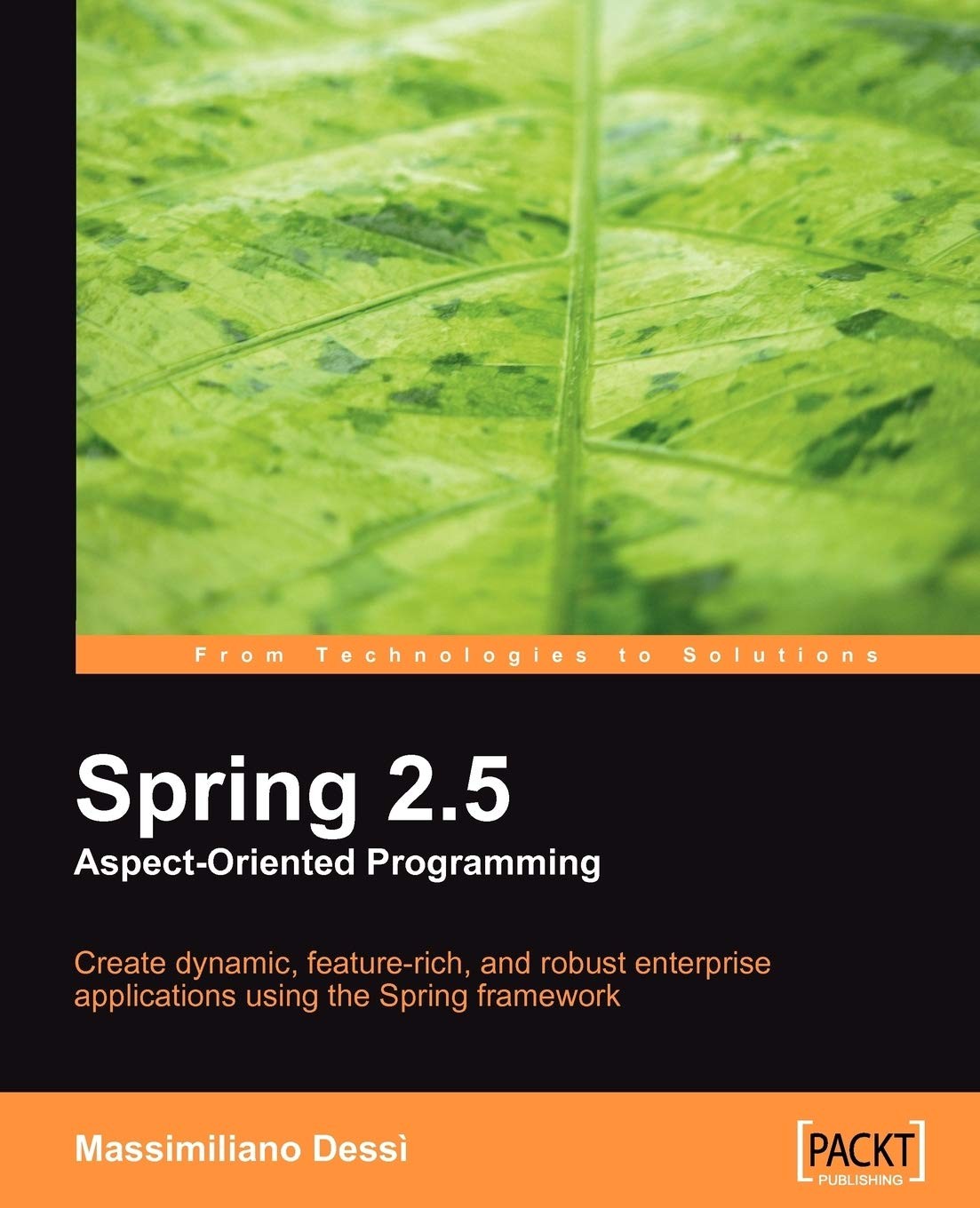
Spring 2.5 Aspect Oriented Programming (English, Massimiliano Dess� | Massimiliano Dessi)

Computer Science
Asterisk 1.4 - the Professional's Guide (English, Colman Carpenter | David Duffett | Nik Middleton)

Computer Science
Advances In Natural Language Processing: 4th International Conference, Estal 2004, Alicante, Spain, October 20-22, 2004. Proceedings: 3230 (Lecture Notes in Computer Science)
Computer Science
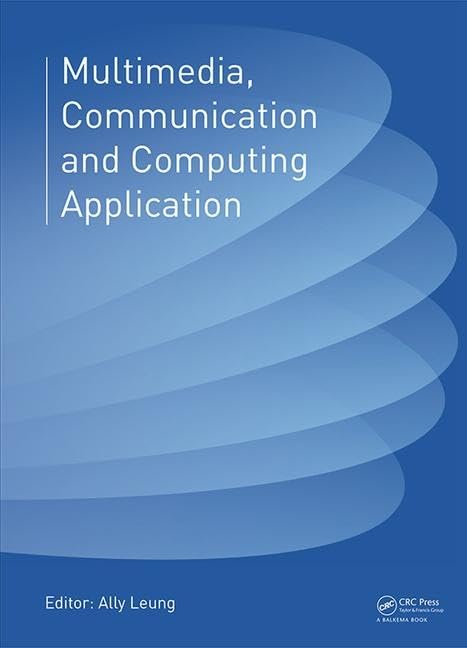
Multimedia, Communication and Computing Application: Proceedings of the 2014 International Conference on Multimedia, Communication and Computing ... 2014), Xiamen, China, October 16-17, 2014

Computer Science
Cases on Database Technologies and Applications (Cases on Information Technology Series)
Computer Science
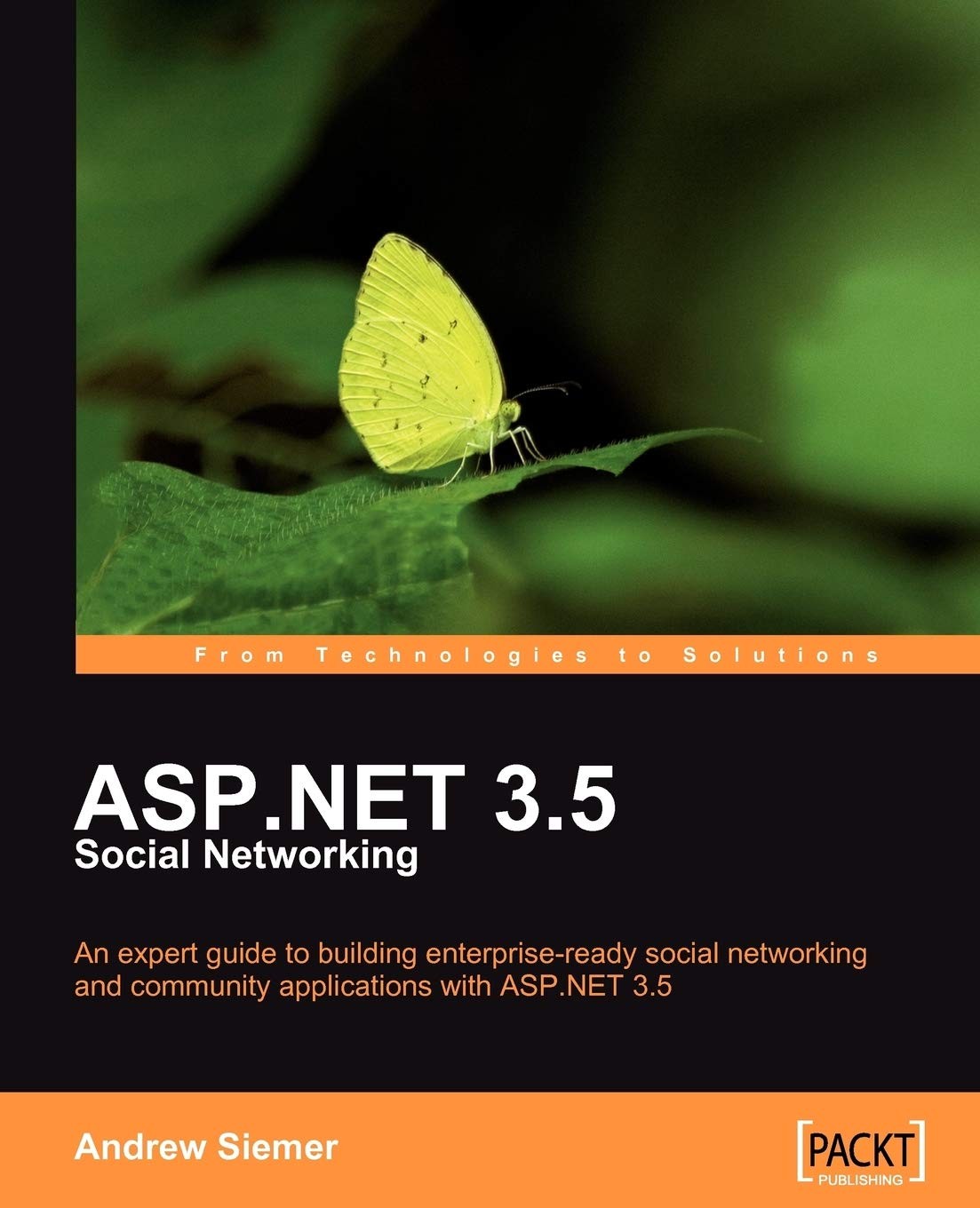
ASP.Net 3.5 Social Networking (English, Andrew Siemer)
Related Products
View AllComputer Science
Spring 2.5 Aspect Oriented Programming (English, Massimiliano Dess� | Massimiliano Dessi)
Computer Science
Asterisk 1.4 - the Professional's Guide (English, Colman Carpenter | David Duffett | Nik Middleton)
Computer Science
Advances In Natural Language Processing: 4th International Conference, Estal 2004, Alicante, Spain, October 20-22, 2004. Proceedings: 3230 (Lecture Notes in Computer Science)
Computer Science
Multimedia, Communication and Computing Application: Proceedings of the 2014 International Conference on Multimedia, Communication and Computing ... 2014), Xiamen, China, October 16-17, 2014
Computer Science
Cases on Database Technologies and Applications (Cases on Information Technology Series)
Computer Science