

Starting Out With Java: From Control Structures Through Data Structures
Inclusive of all applicable taxes. FREE shipping on all orders.
Available Offers
- 🚚Free Delivery — Free shipping on all orders
- 💵Cash on Delivery — Pay when your order arrives
- ↩️15-Day Easy Returns — Hassle-free return policy
- 🔒Cash on Delivery — Pay safely when your order arrives
Check Delivery
Product Description
Introduction
Java remains one of the most widely used programming languages in the world, and mastering it is essential for students and aspiring developers alike. Starting Out With Java: From Control Structures Through Data Structures by Tony Gaddis is a comprehensive textbook designed to take learners from the very basics of programming to advanced concepts like data structures and algorithms. Published by Pearson, this hardcover edition is an ideal resource for Indian students pursuing computer science or software engineering courses. Whether you are a beginner or looking to solidify your foundation, this book offers a structured, hands-on approach to learning Java in a classroom or self-study environment.
Book Overview
This book is intended for a two- or three-semester sequence in computer programming. It begins with fundamental programming concepts such as variables, control structures, and methods, then progresses to object-oriented programming, file I/O, and GUI development using JavaFX. The latter part of the book delves into data structures including linked lists, stacks, queues, trees, and graphs, along with algorithms for sorting, searching, and recursion. The 4th edition updates the GUI chapters to use JavaFX instead of Swing, keeping the content current with industry standards. Every chapter is packed with clear code examples, real-world applications, and numerous exercises to reinforce learning.
Key Highlights
- Step-by-step progression from basic syntax to complex data structures, suitable for beginners and intermediate learners.
- JavaFX-based GUI chapters replace older Swing content, aligning with modern Java development practices.
- Abundant real-world examples and practical code listings that are easy to read and follow.
- End-of-chapter exercises including programming challenges, review questions, and debugging problems to test understanding.
- Access code included for the companion website at Pearson Higher Ed, offering additional resources and practice material.
- Hardcover binding ensures durability for regular use in college libraries and personal collections.
Inside the Book
The content is organized into clear, modular chapters that build upon each other. Early chapters cover Java fundamentals such as data types, operators, decision structures, loops, and methods. The middle section introduces object-oriented programming concepts like classes, inheritance, polymorphism, interfaces, and exception handling. Later chapters focus on advanced topics: arrays and the ArrayList class, recursion, searching and sorting algorithms, and a thorough treatment of data structures including linked lists, stacks, queues, binary trees, and hash tables. GUI programming is covered using JavaFX, with chapters on controls, layouts, event handling, and graphics. The book also includes appendices on the Java API, operator precedence, and ASCII values.
Key Topics
- Java fundamentals: variables, data types, operators, and control structures
- Object-oriented programming: classes, objects, inheritance, polymorphism, and interfaces
- Methods, parameter passing, and scope
- Arrays, the ArrayList class, and multidimensional arrays
- File input/output and exception handling
- Recursion and its applications
- Searching and sorting algorithms (linear search, binary search, bubble sort, selection sort, insertion sort, merge sort, quicksort)
- Data structures: linked lists, stacks, queues, trees, binary search trees, heaps, and hash tables
- GUI development with JavaFX: controls, layouts, event handling, and graphics
- Generics and collections framework
Reader Benefits
- Builds strong programming fundamentals that are transferable to other languages.
- Prepares for advanced courses in data structures, algorithms, and software engineering.
- Enhances problem-solving skills through structured exercises and coding challenges.
- Bridges theory and practice with real-world examples and JavaFX projects.
- Supports self-paced learning with clear explanations and companion website access.
- Improves employability by covering in-demand Java skills used in industry.
Learning Outcomes
By the end of this book, readers will be able to write Java programs using control structures, methods, and arrays; design and implement classes using object-oriented principles; create interactive GUI applications with JavaFX; implement fundamental data structures such as linked lists, stacks, queues, and trees; apply searching and sorting algorithms; handle files and exceptions effectively; and understand recursion and its use in solving complex problems. These outcomes align with the curriculum of Indian universities offering B.Tech, BCA, MCA, and B.Sc. in Computer Science programs.
Who Should Read
This book is ideal for undergraduate students enrolled in introductory and intermediate computer programming courses. It is also suitable for self-learners who want a thorough, textbook-style guide to Java programming and data structures. Teachers and instructors will find the structured content and exercise sets useful for classroom teaching. Professionals looking to refresh their Java skills or transition to Java from another language will also benefit from the clear, example-driven approach. Indian students preparing for competitive exams or campus placements will find the data structures and algorithms sections particularly valuable.
About the Author
Tony Gaddis is a renowned author and educator with decades of experience teaching computer programming at various colleges and universities. He has authored numerous best-selling textbooks on programming languages including Java, Python, C++, and Visual Basic. Known for his clear, step-by-step writing style and practical approach, Gaddis has helped hundreds of thousands of students worldwide learn to code effectively. His books are widely adopted in Indian institutions for their pedagogical quality and alignment with academic curricula.
About the Publisher
Pearson is a global leader in educational publishing, providing high-quality textbooks and learning resources for students and professionals. With a strong presence in India, Pearson offers a wide range of academic titles in engineering, computer science, business, and humanities. Their commitment to accuracy, clarity, and innovation makes them a trusted partner for educators and learners. This edition of Starting Out With Java continues Pearson's tradition of delivering authoritative and accessible programming textbooks.
Conclusion
Starting Out With Java: From Control Structures Through Data Structures is an essential resource for anyone serious about learning Java programming from the ground up. Its logical progression, practical examples, and comprehensive coverage of data structures make it a standout choice for Indian students and educators. The inclusion of JavaFX, updated content, and access to companion online resources ensures that learners stay current with modern Java development. Whether you are beginning your programming journey or aiming to master data structures, this book provides the solid foundation and advanced skills you need to succeed. Add this hardcover edition to your library today and take a confident step toward becoming a proficient Java programmer.
Quick Summary
Starting Out With Java: From Control Structures Through Data Structures by Tony Gaddis is a definitive textbook for anyone learning Java programming in India. Published by Pearson, this hardcover edition is tailored for a multi-semester curriculum, taking readers from fundamental control structures like loops and conditionals all the way to advanced data structures such as linked lists, trees, and hash tables. The book is renowned for its clear, step-by-step approach, abundant real-world examples, and easy-to-read code listings. The 4th edition introduces JavaFX for modern GUI development, replacing the older Swing library. Ideal for Indian undergraduate and postgraduate students in computer science, as well as self-learners, this book builds strong programming foundations and problem-solving skills. Each chapter includes review questions and programming challenges to reinforce learning. By purchasing from Bookshops.in, Indian readers get a genuine, high-quality hardcover edition with fast delivery and reliable customer service. Whether you are preparing for exams, coding interviews, or real-world software projects, this comprehensive guide equips you with the knowledge and confidence to excel in Java programming.
Book Highlights
Book Specifications
| ISBN-13 | 9780134787961 |
| ISBN-10 | 013478796X |
| Publisher | Pearson College Div |
| Language | English |
| Dimensions | 20.32 x 4.45 x 25.4 cm |
| Weight | 1 kg 810 g |
| Category | Languages › C & C++ |
| Genre | Non-fiction |
| Original Language | English |
Frequently Asked Questions
Is this book suitable for complete beginners in Java?
Does this book cover JavaFX?
How many semesters does this book cover?
What data structures are covered?
Is this book used in Indian universities?
Does the book include coding exercises?
What is the difference between this and Starting Out with Java: Early Objects?
Is the book hardcover or paperback?
Does it come with an access code?
Can I use this book for self-study?
Are there solutions available for exercises?
Does it cover algorithms?
Where can I buy this book in India?
Readers Also Search For
Customers Also Bought

Programming
Algorithmische Sprache Und Programmentwicklung | by H. Partsch | F. L. Bauer | P. Pepper | Springer | by H. Partsch | F. L. Bauer | P. Pepper | Springer | by H. Partsch | F. L. Bauer | P. Pepper | Springer | by H. Partsch | F. L. Bauer | P. Pepper | Springer | by H. Partsch | F. L. Bauer | P. Pepper | Springer | by H. Partsch | F. L. Bauer | P. Pepper | Springer | by H. Partsch | F. L. Bauer | P. Pepper | Springer | by H. Partsch | F. L. Bauer | P. Pepper | Springer | by H. Partsch | F. L. Bauer
Programming
Distributed Algorithms | by Jean-Claude Bermond | Michel Raynal | Springer | by Jean-Claude Bermond | Michel Raynal | Springer | by Jean-Claude Bermond | Michel Raynal | Springer | by Jean-Claude Bermond | Michel Raynal | Springer | by Jean-Claude Bermond | Michel Raynal | Springer | by Jean-Claude Bermond | Michel Raynal | Springer | by Jean-Claude Bermond | Michel Raynal | Springer | by Jean-Claude Bermond | Michel Raynal | Springer | by Jean-Claude Bermond | Michel Raynal | Springer | by Jean

Programming
Meta-Level Control for Deductive Database Systems | by Helmut Schmidt | Springer | by Helmut Schmidt | Springer | by Helmut Schmidt | Springer | by Helmut Schmidt | Springer | by Helmut Schmidt | Springer | by Helmut Schmidt | Springer | by Helmut Schmidt | Springer | by Helmut Schmidt | Springer | by Helmut Schmidt | Springer | by Helmut Schmidt | Springer | by Helmut Schmidt | Springer | by Helmut Schmidt | Springer | by Helmut Schmidt | Springer | by Helmut Schmidt | Springer | by Helmut Schm
Programming
Java Web Services | by David A. Chappell | Tyler Jewell | O'Reilly Media | by David A. Chappell | Tyler Jewell | O'Reilly Media | by David A. Chappell | Tyler Jewell | O'Reilly Media | by David A. Chappell | Tyler Jewell | O'Reilly Media | by David A. Chappell | Tyler Jewell | O'Reilly Media | by David A. Chappell | Tyler Jewell | O'Reilly Media | by David A. Chappell | Tyler Jewell | O'Reilly Media | by David A. Chappell | Tyler Jewell | O'Reilly Media | by David A. Chappell | Tyler Jewell | O'
Programming
Database in Depth | by Chris J. Date | O'Reilly Media | by Chris J. Date | O'Reilly Media | by Chris J. Date | O'Reilly Media | by Chris J. Date | O'Reilly Media | by Chris J. Date | O'Reilly Media | by Chris J. Date | O'Reilly Media | by Chris J. Date | O'Reilly Media | by Chris J. Date | O'Reilly Media | by Chris J. Date | O'Reilly Media | by Chris J. Date | O'Reilly Media | by Chris J. Date | O'Reilly Media | by Chris J. Date | O'Reilly Media | by Chris J. Date | O'Reilly Media | by Chris J.
Programming
Integration of AI and OR Techniques in Constraint Programming for Combinatorial Optimization Problem | by Nicolas Beldiceanu | Narendra Jussien | Eric Pinson | Springer | by Nicolas Beldiceanu | Narendra Jussien | Eric Pinson | Springer | by Nicolas Beldiceanu | Narendra Jussien | Eric Pinson | Springer | by Nicolas Beldiceanu | Narendra Jussien | Eric Pinson | Springer | by Nicolas Beldiceanu | Narendra Jussien | Eric Pinson | Springer | by Nicolas Beldiceanu | Narendra Jussien | Eric Pinson |
Related Products
View All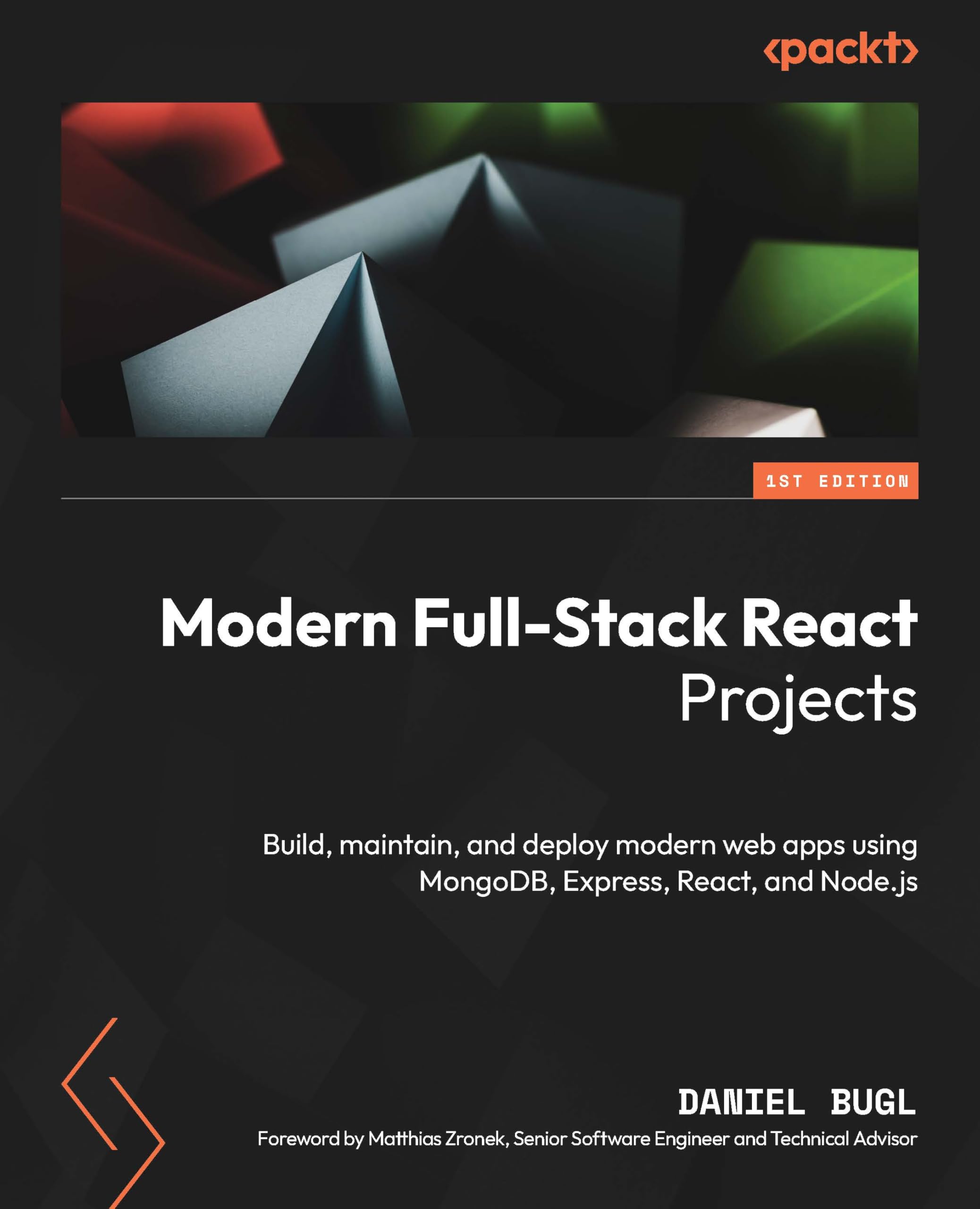
Computers & Internet
Modern Full-Stack React Projects by Daniel Bugl
Computers & Internet
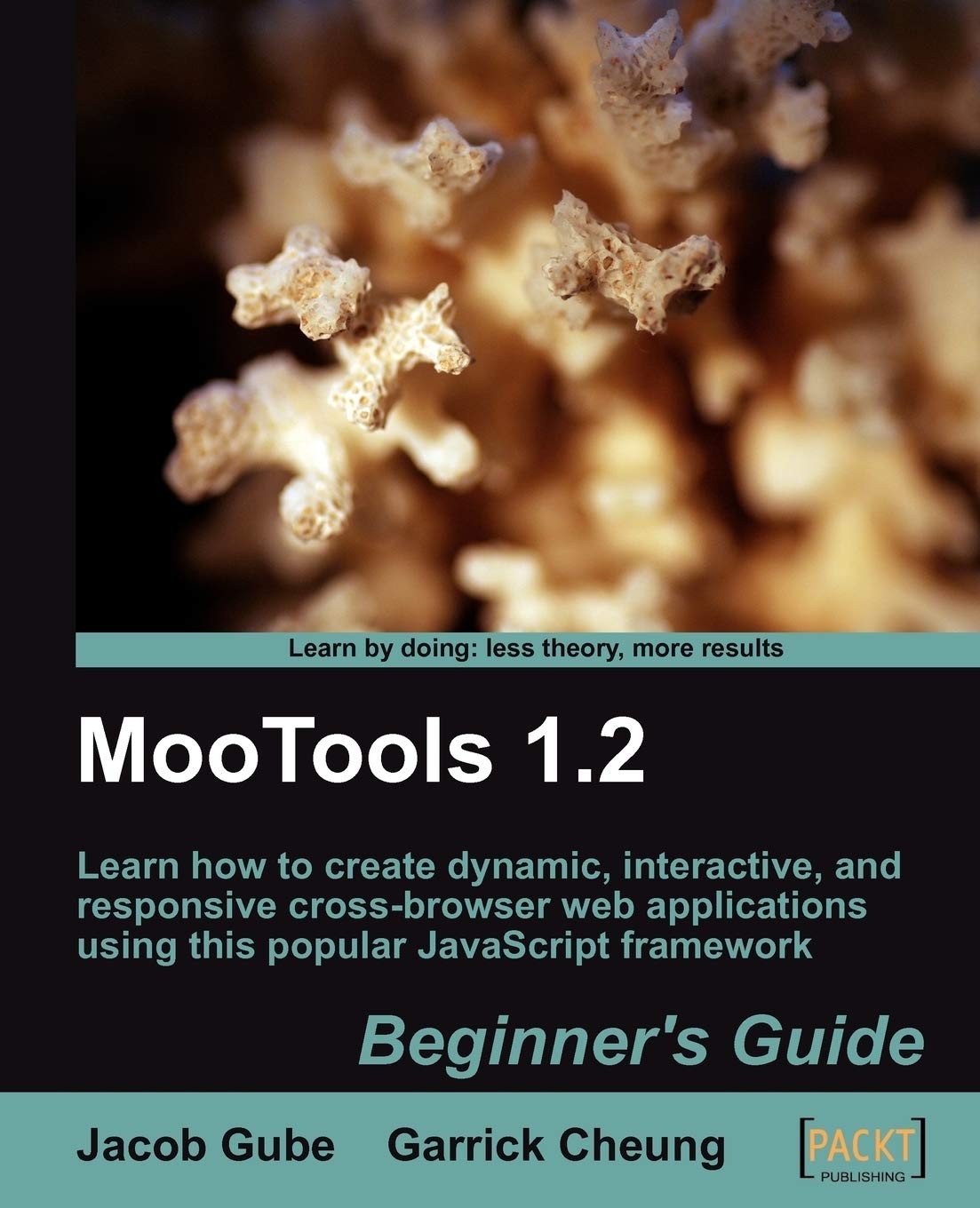
Mootools 1.2 Beginner's Guide (English, Jacob Gube)
Computers & Internet
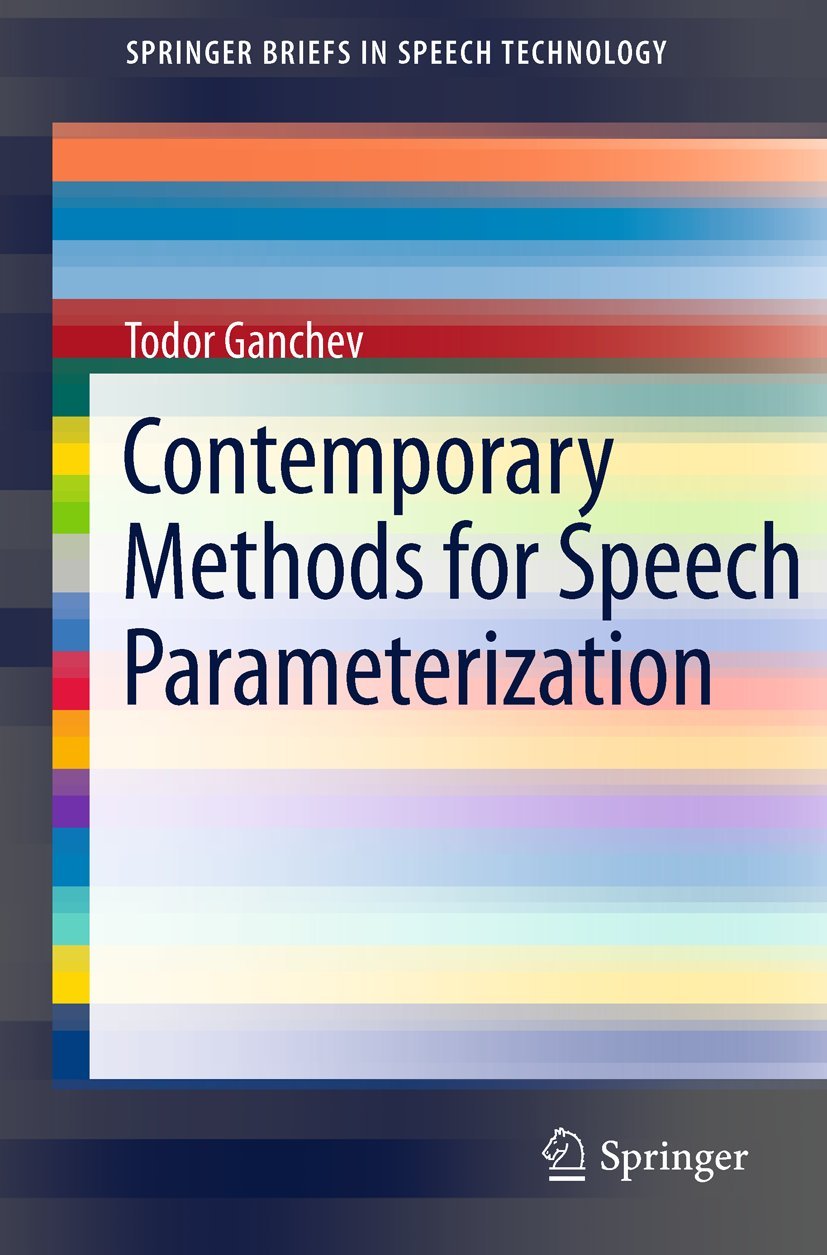
Contemporary Methods for Speech Parameterization (Springerbriefs in Electrical and Computer Engineering / Springerbriefs in Speech Technology)

Computers & Internet
Information Technology and Lawyers | by Arno R. Lodder | Anja Oskamp | Springer | by Arno R. Lodder | Anja Oskamp | Springer | by Arno R. Lodder | Anja Oskamp | Springer | by Arno R. Lodder | Anja Oskamp | Springer | by Arno R. Lodder | Anja Oskamp | Springer | by Arno R. Lodder | Anja Oskamp | Springer | by Arno R. Lodder | Anja Oskamp | Springer | by Arno R. Lodder | Anja Oskamp | Springer | by Arno R. Lodder | Anja Oskamp | Springer | by Arno R. Lodder | Anja Oskamp | Springer | by Arno R. Lo

Computers & Internet
Digital Analysis of Remotely Sensed Imagery | by Jay Gao | McGraw-Hill Companies | by Jay Gao | McGraw-Hill Companies | by Jay Gao | McGraw-Hill Companies | by Jay Gao | McGraw-Hill Companies | by Jay Gao | McGraw-Hill Companies | by Jay Gao | McGraw-Hill Companies | by Jay Gao | McGraw-Hill Companies | by Jay Gao | McGraw-Hill Companies | by Jay Gao | McGraw-Hill Companies | by Jay Gao | McGraw-Hill Companies | by Jay Gao | McGraw-Hill Companies | by Jay Gao | McGraw-Hill Companies | by Jay Gao

Computers & Internet